When the machine breaks, local vending means faster service in concrete terms: a same-area technician on-site fast, instead of a ticket sitting in a national dispatch queue behind every other site in the region. A breakroom is judged by the moments it fails, and proximity is what decides how quickly those get fixed.
Anyone can call themselves local. The word shows up on every truck and every website, and most of the time it means nothing more than a mailing address. The honest test of what local means is not where a company is headquartered. It is what happens the morning a machine goes dark and your team is standing in front of it.
This post is about that exact moment, and why being genuinely nearby is the difference between a quick fix and a week of "we're still waiting on the vendor."
The moment that actually tests "local"
A vending machine is easy to install and easy to advertise. What separates one provider from another is everything that happens after something breaks.
Picture it: the card reader stops taking payment on a Monday, or a coil jams and half the selections go dead, or the cooler quits and the drinks go warm. In that moment, nobody cares how large the company is or how many states it covers. The only thing that matters is how fast someone who can fix it actually shows up. That is the question "local" either answers or it does not, and it is the question we built the whole company around.
A ticket in a queue versus a tech on the way
Here is the difference in practice, because it is concrete, not philosophical.
With many national providers, a breakdown becomes a ticket. It is logged into a system, dispatched from a regional hub, and slotted behind every other site in the region. The technician might be coming from hours away, and your simple fix waits its turn. Nobody on that chain knows your breakroom, so each call starts from scratch. A local provider works the opposite way. The breakdown is a nearby account it is directly accountable for, the route is already in the area, and the person who answers already knows your machine. Because the technician, the parts, and the decision are all close, the gap between "we reported it" and "it's working again" is usually a fraction as long.
How is a local response to a breakdown different from a national one?
With a national company, a breakdown is typically a ticket dispatched from a regional hub and queued behind other sites, so a small fix can stretch into days. A local provider treats it as a nearby account it is directly responsible for, with the technician, the route, and the decision all in the same area. That proximity is why the time from "we reported it" to "it's fixed" tends to be far shorter, and it is exactly the kind of difference you only feel when something goes wrong.
Why "who answers" decides "how fast"
Speed at the breakdown moment is not really about trucks. It is about who picks up and whether they can actually act.
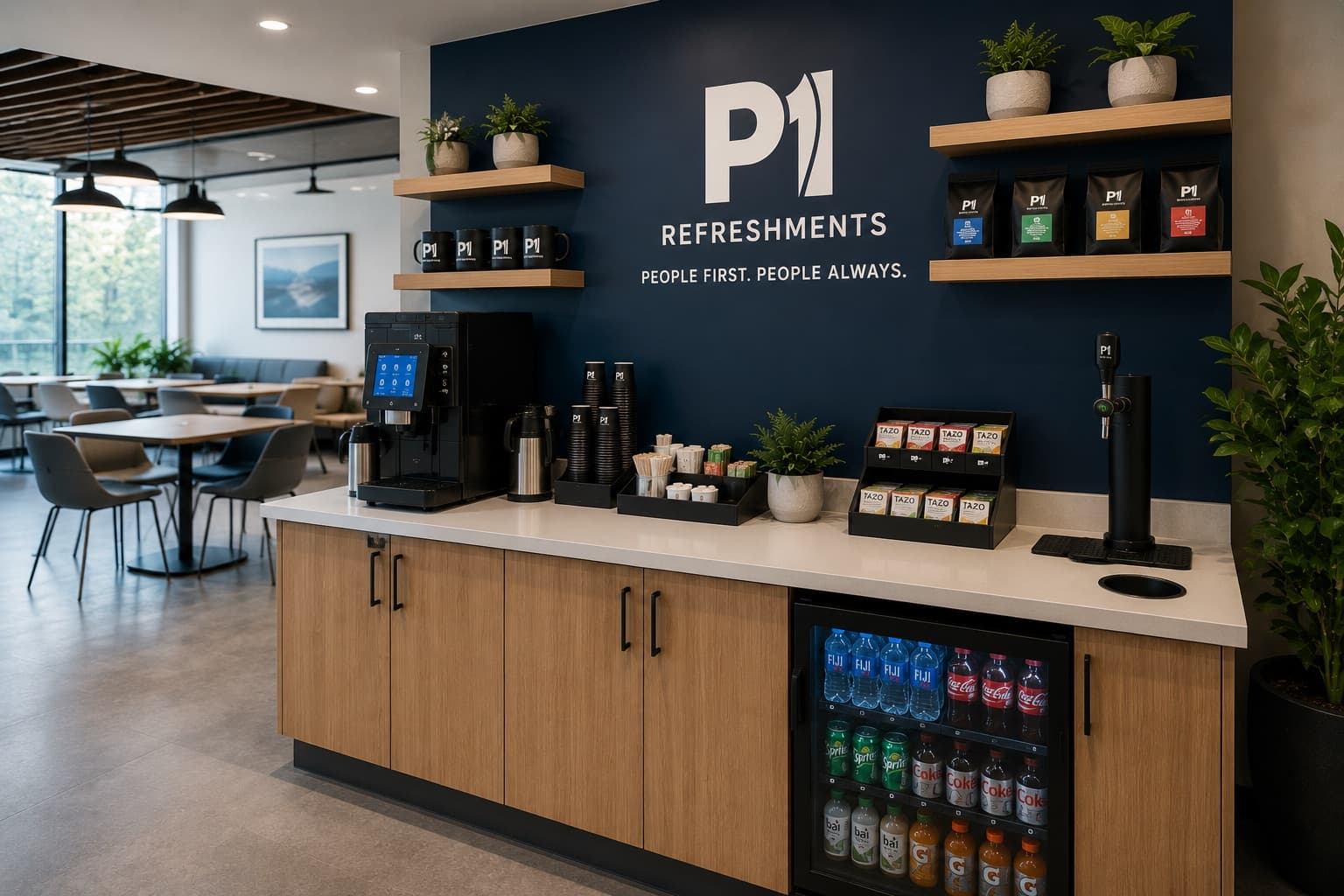
This is where being woman-owned and local stops being a tagline and becomes the reason the service works. As a local, woman-owned business in Greater Waco, P1 Refreshments has no corporate layer between you and the person accountable for your breakroom. When you call, you reach someone who already knows your account and can make the call to get it handled, rather than a queue, a ticket number, or a different representative who has to be brought up to speed. A breakdown does not have to climb a chain of approvals before anyone moves on it. That direct accountability, paired with being physically nearby, is what keeps a small problem from becoming a week-long one. The broader side-by-side is in our look at choosing a local vs national vending company in Waco, but the breakdown moment is where the whole comparison gets decided.
To be clear, this is not a knock on scale. National companies do real things well, and we are not trying to be the biggest refreshment provider in Texas. We are working to be the one that answers the phone and shows up, because for the moments that define a breakroom, that is what reliability actually means.
What we do so it breaks less in the first place
The best way to handle a breakdown is to catch it before your team does, and proximity helps there too.
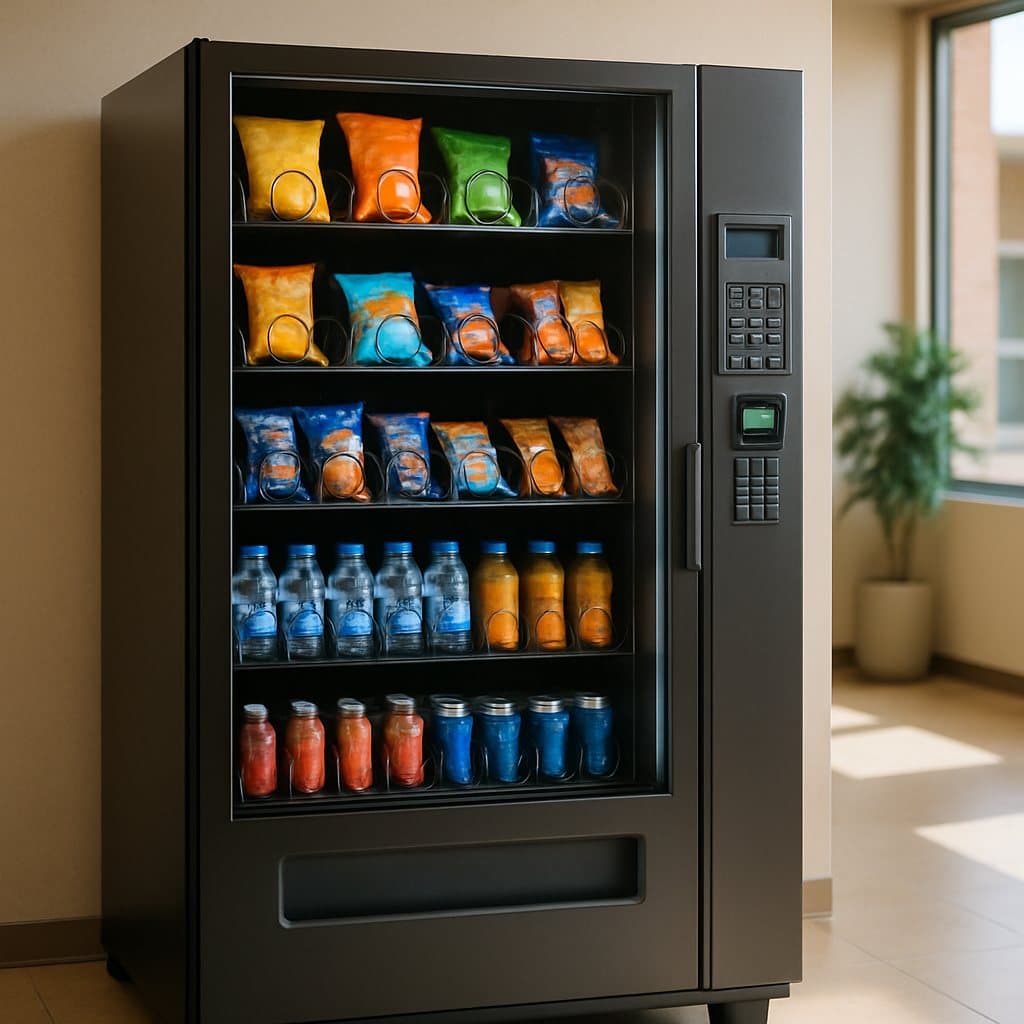
Being local does not mean being low-tech. We run modern, cashless machines and use remote inventory monitoring, the same technology that flags a problem or a low stock before a machine sits empty, so many issues get handled before anyone reports them. When something does need hands-on service, being nearby is what turns that alert into a same-area visit instead of a regional dispatch. And as a workplace grows, a single machine can become a micro-market without changing who you call, because the relationship is the constant. That combination, proactive monitoring plus close, accountable service, is the practical meaning of local reliability.
The honest test for your breakroom
Skip the marketing and ask one question: when this machine breaks, who picks up, do they know my account, and how fast can they get here? A genuinely local partner answers all three the way you want, because the help is close and the accountability is direct. A distant provider answers them with a ticket number.
That is how we approach our managed vending service and our vending service for Waco workplaces: relationships before transactions, a real person who knows your breakroom, and a fix that does not wait in line behind another market.
Because the day a machine breaks is the day "local" either means something or it doesn't, and we built P1 to make sure it does.
People First. People Always.